Hedge Trimming in Kentish Town

Hedge trimming in Kentish Town should leave boundaries neat, controlled and in proportion to the space they frame. We provide a focused hedge cutting service for domestic gardens and managed outdoor areas, shaping growth so it stays tidy without stripping away the structure that gives the hedge its purpose. Whether the job is routine maintenance or a more considered re-shaping, the aim is to keep the hedge healthy, smart and suitable for the setting.
Good hedge care is more than a quick pass with the trimmer. Different species respond differently to cutting, and the timing, height and finish all matter. Our work can include regular trimming, reduction where appropriate, tidy-up cuts after a period of rapid growth, and the removal of soft, untidy extensions that spoil the line of the hedge. We keep the approach practical and measured, with clean edges, even lines and attention to the long-term form of the planting.
For a quotation, it helps to describe the hedge type, the approximate length and height, and whether access is straightforward or awkward. If you are looking to compare options for maintenance or to plan a one-off cut, speak to us with the basic details and we can discuss the right approach. When you are ready, request a quotation.
Regular Hedge Maintenance
Regular trimming keeps hedges within bounds and prevents them from becoming heavy, uneven or difficult to manage later on. A maintenance visit is usually about refinement rather than drastic change: reducing fresh growth, keeping sides straight, and preserving a consistent profile from one season to the next. This is often the best way to maintain privacy planting, screen planting and formal boundary hedges in a condition that looks deliberate rather than overgrown.
Different finishes suit different gardens. Some hedges are best kept with a crisp rectangular outline, while others work better with a slightly softer taper so the lower growth receives enough light. We can trim to the shape that suits the hedge and the garden layout, keeping the work practical and visually balanced. If you need broader outdoor care alongside hedge trimming, our team also offers garden maintenance for customers who prefer a joined-up approach to routine upkeep.
What a maintenance trim can achieve
A sensible maintenance cut helps the hedge keep density near the base, maintain a clear boundary line and avoid the sprawling growth that can make a garden feel enclosed. It also makes future trims easier because the shape stays predictable. In many cases, the best result comes from doing less, but doing it consistently. That is especially true for hedges that define paths, front boundaries or shared edges where neatness matters all year round.
Shaping and Reduction Work
Some hedges need more than routine tidying. If growth has outpaced the available space, a shaping or reduction cut can bring the hedge back into proportion while still respecting the plant’s natural habit. The exact amount that can be removed depends on the species, the density of the hedge and the condition of the growth. A careful reduction should leave a cleaner, more manageable outline rather than an abrupt or stressed appearance.
This kind of work is useful where one side has become too wide, the top has crept higher than intended, or the hedge has started to lean into a path, fence line or neighbour’s side. We can refine the profile, restore a more even face and reduce visual bulk where that is suitable. When the project also involves shaping surrounding planting, landscape gardening may be relevant for customers seeking wider garden improvements rather than a single isolated cut.
In practical terms, shaping work is often about making the hedge fit the garden again. That may mean a controlled taper, a smoother top line or attention to one side that has become dominant. We keep the finish orderly and proportionate, and we aim for a result that is sensible to maintain later, not merely tidy for one day.
Hedge Trimming for Boundaries and Front Gardens
Boundary hedges need a finish that looks good from both sides where possible and does not spill into walkways, drive edges or neighbouring space. Front garden hedges often need especially careful trimming because they are visible from the street and set the tone for the whole property. We can work on hedges that need a crisp public-facing outline, a quieter garden-side finish, or a practical middle ground that suits everyday use.
Access and surrounding features influence how the work is planned. A hedge beside paving, fencing, steps or decorative planting may need more careful handling than an open run along a rear boundary. We work with those details in mind, keeping cuts controlled and leaving the hedge looking intentional. For properties where hard landscaping and planting need to work together, landscaping can complement trimming by helping the wider outdoor space feel coherent.
If a hedge has become uneven because it has been clipped differently on each side, the answer is usually to re-establish a simple, repeatable shape. That does not always mean removing a large amount of growth. Often it means bringing the face back into line, levelling the top and removing the awkward extensions that make the hedge look untidy from a distance.
Overgrown Hedge Cutting and Tidy-Backs

Overgrown hedges can be difficult to manage because the visible outline is often only part of the problem. Thick, older growth, irregular extensions and unbalanced weight can make the hedge look far larger than the usable space allows. A tidy-back can reduce that bulk and restore definition, but the right approach depends on the hedge type and how much of the old structure is still worth keeping.
Where a hedge has been left too long between cuts, we may need to work gradually rather than forcing the shape in a single pass. That may involve bringing the top under control, smoothing the sides and removing protruding sections that have escaped the original line. If the work forms part of a wider clear-up, garden clearance can be useful for managing cuttings and other green waste alongside the trimming itself.
There are limits to any reduction cut, and a responsible trim respects those limits. Some hedges recover best when the work is staged, while others can be returned to a neat line more directly. The benefit of a careful tidy-back is that it improves the appearance without leaving the hedge thin, ragged or difficult to rebuild.
Hedge Types, Finishes and Seasonal Considerations
Different hedge types need different handling. Evergreen hedges often call for a lighter, more regular trim to hold their dense shape, while deciduous hedges may tolerate a more seasonal cut depending on the species and the desired finish. We keep the work suited to the planting rather than applying the same treatment to every hedge, because a good result depends on respecting how the hedge grows.
Seasonal timing affects both appearance and recovery. A hedge in active growth may need more frequent attention to stay under control, while slower periods can be better for a neater, more settled finish. We do not treat hedge cutting as a one-size-fits-all task. Instead, the main decisions are about maintaining health, keeping the profile practical and ensuring the hedge continues to suit its setting for the months ahead.
Typical hedge decisions
- Whether the hedge needs a light maintenance trim or a more noticeable reshaping
- How far the sides and top can be reduced without spoiling the natural form
- Whether one side needs more attention because of paths, fences or other features
- How to keep the line neat while preserving density and usable screening
Useful Information for a Quotation
When asking for a quotation, clear details help us understand the likely scope of the work. It is useful to know roughly how long the hedge runs, how tall it is, whether both sides need attention and whether there are any awkward sections near walls, sheds or narrow access points. If the hedge forms part of a larger garden project, mention that too so the estimate reflects the work accurately. If you already have a plan for wider outdoor changes, services overview can help frame the conversation around the most suitable options.
Photographs can also help where the hedge is difficult to describe, especially if you are comparing a routine trim with a more involved reduction or shape correction. Measurements are useful, but a clear image can show the hedge line, surrounding obstacles and the overall condition more quickly. When you are ready to discuss the job, please get in touch and request a quotation.
Related Garden Services
Some customers want hedge trimming as part of a wider tidy-up rather than as a stand-alone task. In that case, it can be sensible to look at other services that affect the same outdoor space. lawn mowing is a natural fit where the hedge forms one element of a garden that also needs the grass kept under control, while more structural improvements may call for additional planning. Keeping these tasks coordinated can help the whole garden feel more settled and manageable.
For gardens that need more than maintenance, tree and planting work may come into the picture as well. If branches are contributing to shade, imbalance or an untidy appearance, tree lopping and removal may be part of a broader outdoor clean-up where appropriate. Likewise, a more ambitious redesign may need attention to the planting layout rather than simply trimming what is already there. In those cases, decking services can be part of the overall plan where the garden is being reorganised around new features.
The right combination depends on the current condition of the garden and what you want it to do. Some properties only need the hedge brought back into shape, while others benefit from several coordinated works carried out in a sensible order. The aim is always to keep the result coherent rather than piecemeal.
About Kentish Town
Kentish Town is a district in north London, within the London Borough of Camden, set between Camden Town and Highgate on a route that has long linked the centre of London with the northern suburbs. Its name is older than the present urban landscape, and the area developed through a mixture of rural settlement, coaching routes and later Victorian expansion. The railway arrival in the nineteenth century helped turn it into a densely built part of the capital, and many streets still reflect that layered development with terraces, converted buildings and mixed-use frontages. The district is known for a varied street pattern rather than a single planned centre, which gives it a less uniform feel than some neighbouring areas. Around Kentish Town Road, shops, pubs and services form a busy corridor, while side streets contain housing that ranges from earlier terraces to later infill. The area also has strong links to open space: Hampstead Heath lies to the west, Parliament Hill is a recognised landmark, and the Regent’s Canal corridor is within reach for people moving across north London. Public transport has long been important here, and the presence of rail and Underground connections has reinforced the neighbourhood’s role as a practical residential and local commercial area. Its cultural life is broad rather than monumental, with music venues, community spaces and everyday high-street activity contributing to the character of the district. That combination of history, density, transport and mixed architecture makes Kentish Town distinct within Camden and easy to recognise as a place with both an urban pace and a strong local identity.
Careful Work, Clear Results
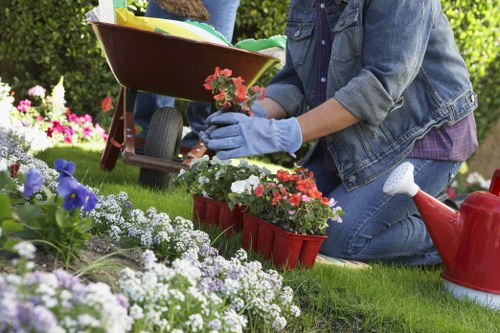
Hedge trimming is at its best when it creates a result that looks deliberate, not overworked. A good finish leaves the boundary clean, the line even and the hedge suited to its place in the garden. We focus on that practical outcome, whether the work is a quick seasonal tidy-up, a reduction that restores balance or a more careful shaping job that needs patience and attention.
If you want the hedge kept in better condition without turning the task into a major project, regular maintenance is usually the most efficient route. If the hedge has already grown beyond what feels comfortable, a measured cut can bring it back into line. Either way, the most useful next step is simple: tell us what needs attention, and we can help you plan the work clearly.
For a quotation, contact us with the hedge details and a brief description of the finish you want. We will use that information to discuss the most appropriate approach and help you move forward with confidence.